Lake Superior is a big, beautiful lake with spectacular coastlines and rugged mountains, with new adventures around every corner. But what lurks beneath its icy depths? What dark history and chilling legends does it hold?
Below, we’ve gathered just a few scary facts about the Big Lake. Ones that you can experience on your Ride Lake Superior tour – if you dare!
The Graveyard of the Great Lakes
We may have mentioned this before, but over 350 shipwrecks lie at the bottom of Lake Superior. The Big Lake can whip up severe storms with ocean-sized 30-foot waves in minutes! The most famous tragedies include the SS Bannockburn, the SS Kamloops and the SS Edmund Fitzgerald, which sank in 1975 during a massive November gale, taking all 29 crew members with it.
Ride & Experience: Pull off along Michigan’s Upper Peninsula to visit the Great Lakes Shipwreck Museum & Whitefish Point Lighthouse. See the actual bell recovered from the Edmund Fitzgerald and explore maritime history along the “Shipwreck Coast.” Other interesting artifacts include the SS Myron’s steering wheel and steam whistle, ship-embossed dinnerware and glassware from the SS Vienna, and some unique exhibits like antique brass diving suits.
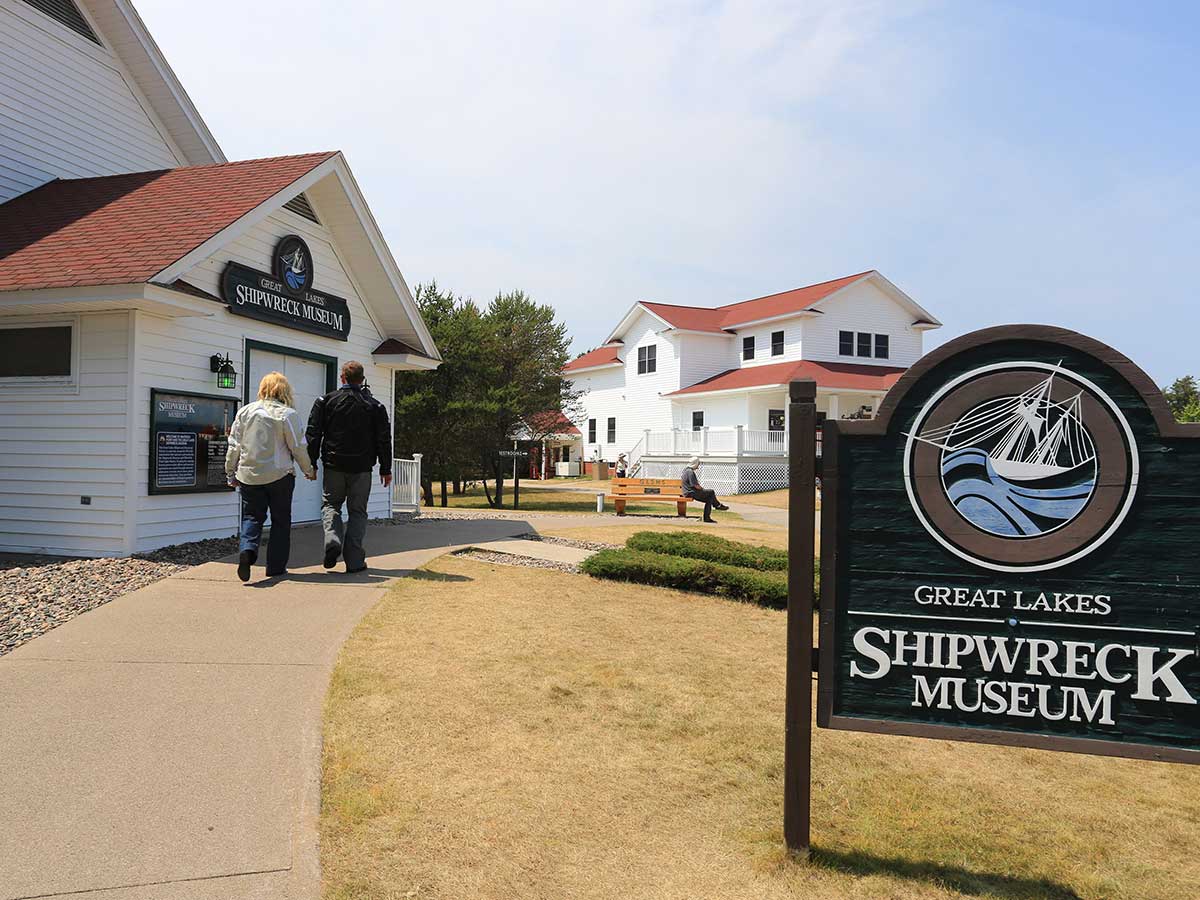
To make this visit even more spooktacular, we’ve read about some alleged paranormal sightings around the museum. One is of a young girl seen going in and out of the main museum building, the gift-shop office and the old fog house. Another is of a young girl in old-fashioned clothing who has been reported wandering the grounds. Supposedly, a woman dressed in 1890s clothing was spotted in the gallery by the light tower lamp room. Other claims include phantom footsteps, doors opening on their own, unexplained noises and cold spots. If you’re interested in more, click here to read Do Ghosts Walk at Whitefish Point
Whether you’re a believer or not, this museum is a must-do stop on the ride!
The Lake That Never Gives Up Its Dead
Lake Superior water temperatures barely rise above 4°C (40°F), even in mid-summer. Because the water is so cold, bacteria cannot grow to cause drowned bodies to float. The lake’s victims remain preserved in the depths forever.
Ride & Experience: Cruise down to Duluth’s Canal Park to board the S.S. William A. Irvin Museum. Walk the decks of a massive 1938 freighter and learn how real sailors navigated these unforgiving waters!
Ghost Ships, Phantom Lights & “Old Whitey”
We sure do love a ghost story! Sailors on the Big Lake still report seeing the phantom SS Bannockburn schooner, lost in 1902, emerge from the fog on stormy nights before vanishing into thin air!
Remember when we mentioned earlier how Lake Superior never gives up her dead? Well, the next tale is about “Old Whitey”, the nickname given to a well-preserved human body found inside the engine room of the SS Kamloops, a Canadian freighter steamer that sank during a blizzard in December 1927 near Isle Royale. Although 9 crew members made it to shore, they perished from exposure. Click here to read more about Old Whitey from Astonishing Legends

Ride & Experience: Take the coastal sweep along Split Rock Lighthouse in Minnesota. Perched atop a sheer 130-foot cliff, it was built specifically to guide sailors through the fog after the destructive storm of 1905.
WWII POW Camp Hidden in the Wilderness
We’re pretty sure you didn’t know this fact, so we hope we stumped you! During World War II, an isolated stretch along the North Shore of Lake Superior was Camp Neys, which housed German Prisoners of War (POWs). From 1941 – 1945, the camp held over 500 prisoners. Were there any attempted escapes? Yes, one prisoner was shot and killed by guards while trying to escape. While there are no mainstream ghost stories about the camp, there are lots of campfire tales of a general feeling of “being watched”. Later, this location also became a Japanese Internment Camp and an Industrial Farm Camp. You can read more here: https://blog.ontarioparks.ca/what-grows-on-history-neys/
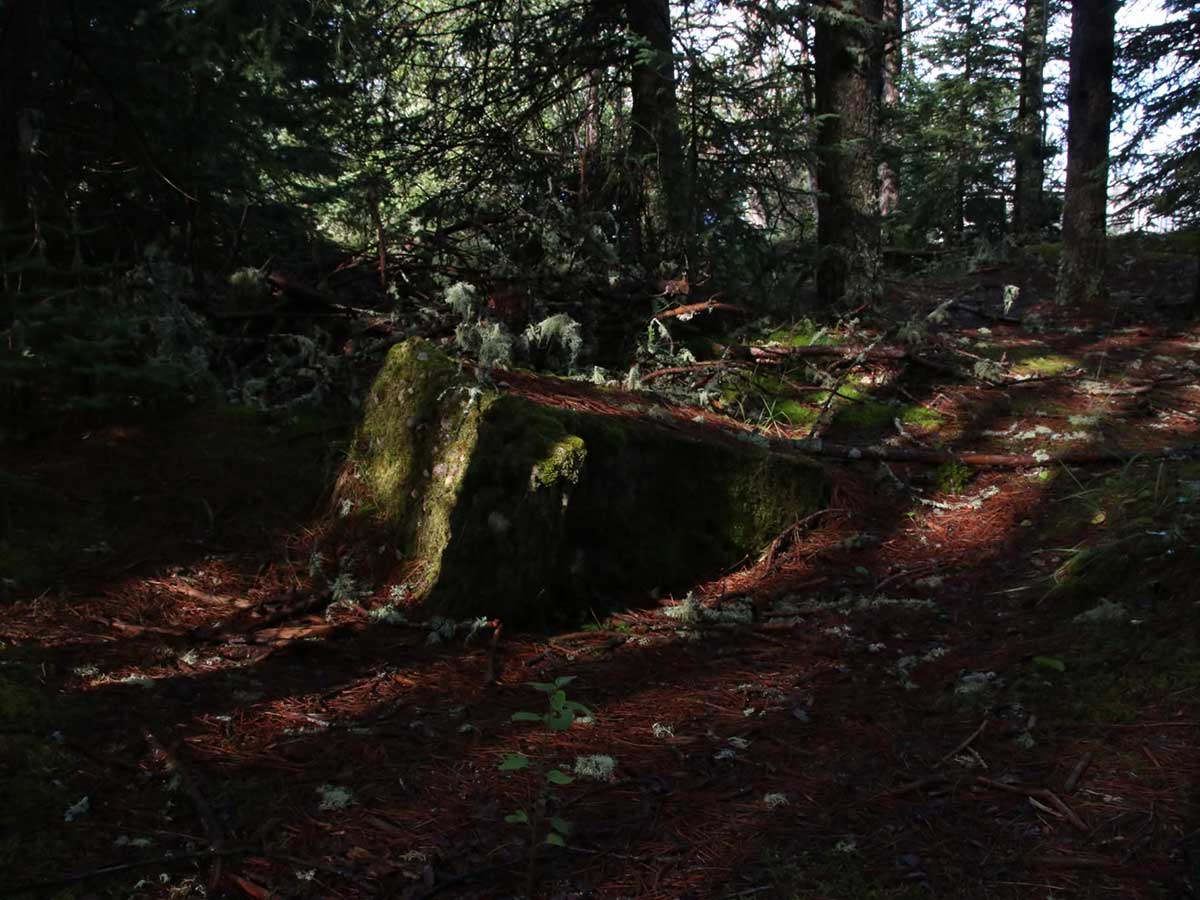
Ride & Experience: Ride Highway 17 into Neys Provincial Park in Ontario. You can walk the rugged, remote beach trails and see the remaining concrete foundations of the historic POW camp.
Freak Meteotsunamis, Seiches & Ice Volcanoes
Ok, so if you don’t know what a meteotsunami is, it’s a sudden shift in atmospheric pressure creating fast-moving “weather tsunamis” that surge onto beaches and flood docks with zero warning, even on sunny days. Meanwhile, a seiche (pronounced saysh) is a sloshing wave caused by strong winds or pressure shifts that pushes water from one end of the lake to the other, making water levels rise and fall like a giant bathtub.
And in winter and early spring, waves force water up through giant shoreline ice shelves, erupting into hollow 20-foot cones of ice and freezing spray. So, ice volcanoes!
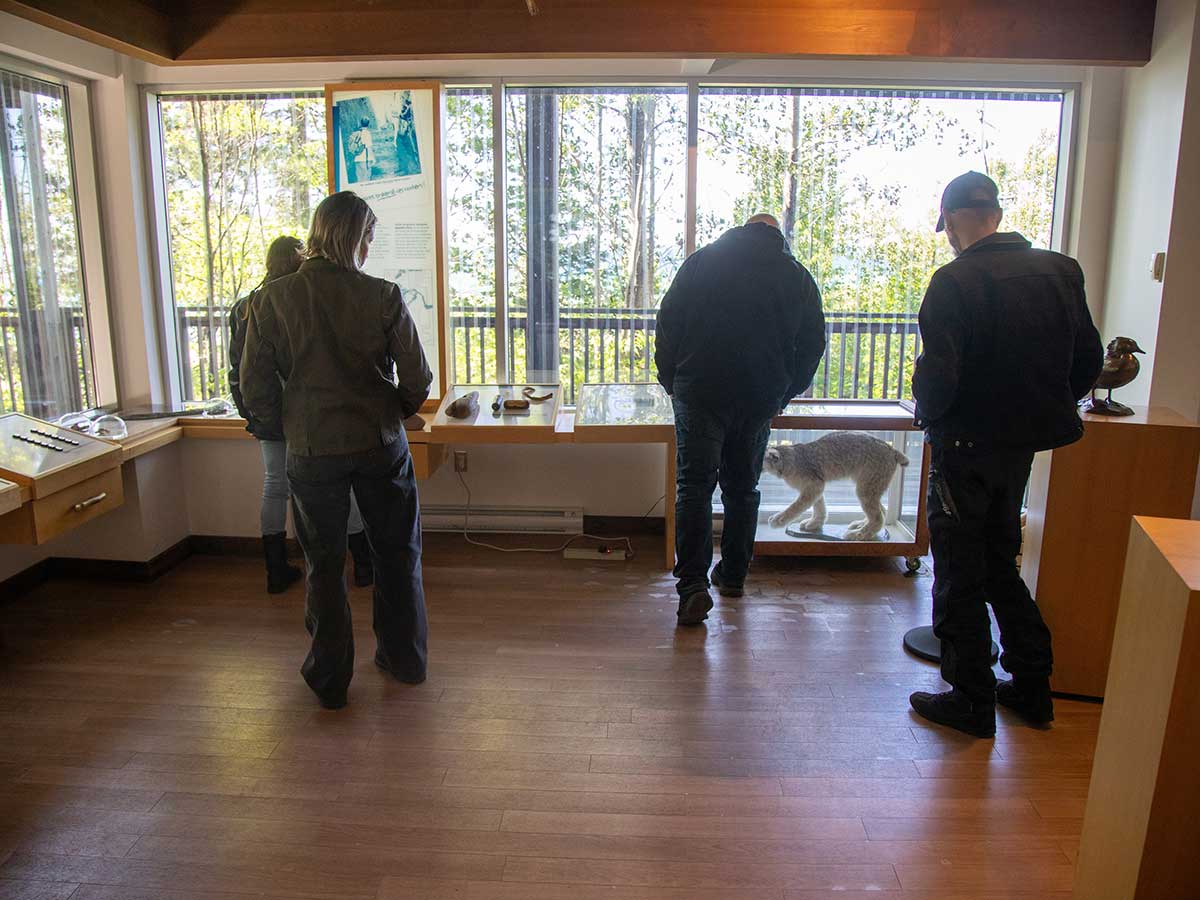
Ride & Experience: Visit the Agawa Bay Visitor Centre to explore the “Power of Lake Superior” exhibits, the cultural and natural history of the provincial park. Stop by the gift shop for Ontario Parks merchandise and locally made products.
The UFO Intercept Over Lake Superior
Also known as the Kinross Incident, in 1953, an F-89 Scorpion jet was scrambled from Kinross Air Base to intercept an unknown radar contact over Lake Superior. Radar showed the jet merge with the UFO—then both vanished instantly. No wreckage was ever found. So, what happened? Today, it remains a mystery. Click here to read a Remember This article about the incident
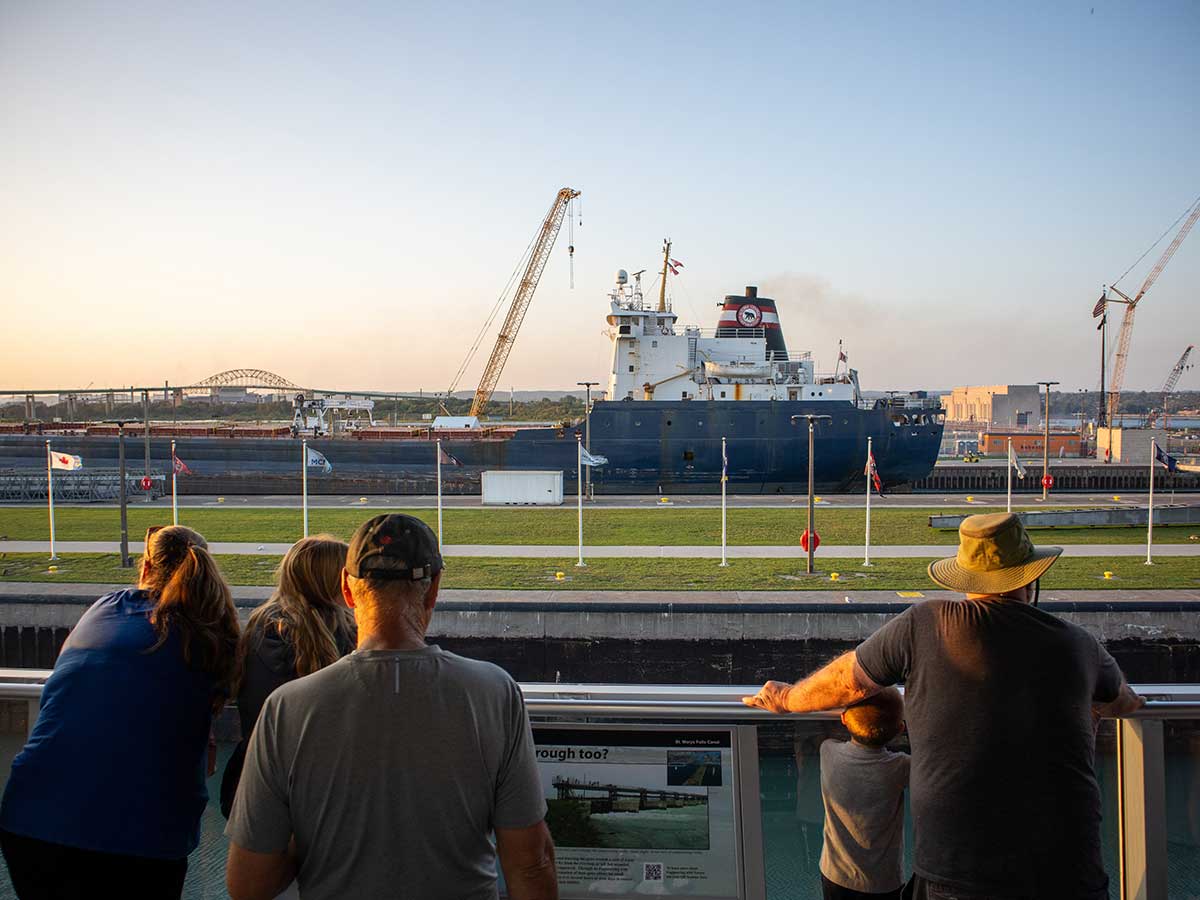
Ride & Experience: Roll into Sault Ste. Marie, Michigan, to visit local attractions that share the area’s cultural and natural history. The Chippewa County Historical Society houses regional historical documents, photographs and even a model train. The Museum Ship Valley Camp is docked on the St. Marys River and is a retired 550-foot freighter turned museum. Stop at the Soo Locks Visitor Center to watch freighters, and sometimes a cruise ship, glide through. There are plenty of historical markers and signs from the 1950s.
Now You See the Road, Now You Don’t: The Wawa Fog
If you know, you know. If you don’t, we’ll try to explain this meteorological phenomenon. The town of Wawa, Ontario, and the area up to Pukaskwa frequently experience a specific weather phenomenon called “advection fog”. This happens when warm, moist air moves horizontally over the massive, cold surface of Lake Superior. Yes, it’s a major hazard on Trans-Canada Hwy 17. It also creates an otherworldly environment because the fog is thick and low-lying, engulfing the coast of Lake Superior and surrounding area.
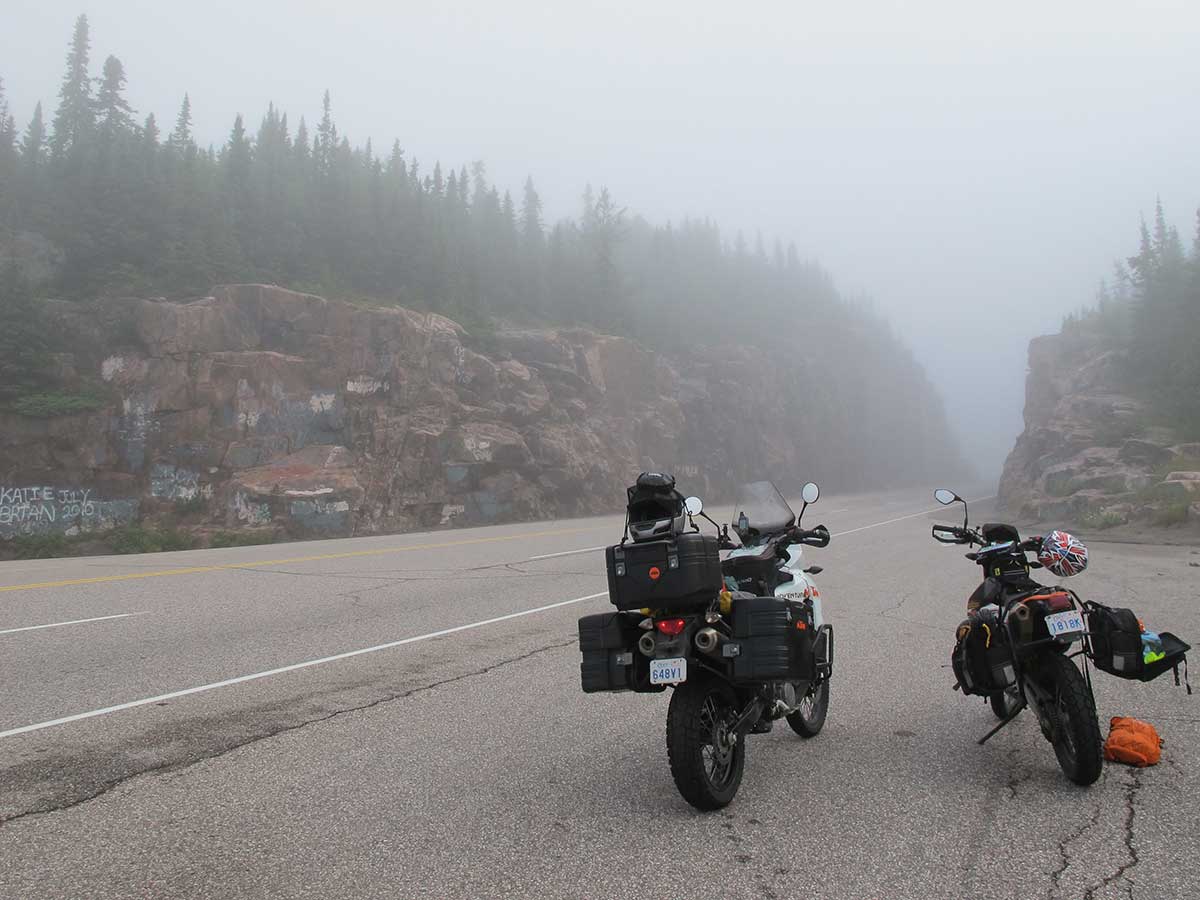
Ride & Experience: If you encounter this type of fog on your trip, find a safe place and pull over, have a snack and wait it out.
Ready to Ride the Dark Side of the Lake?
Don’t let the scary facts keep you away—these legends and natural phenomena make every mile around Lake Superior an unforgettable ride.
- Map Your Route: Order the official Ride Lake Superior Route Map
- Find Motorcycle-Friendly Lodging: Browse our recommended Hotels, Motels & Cabins around the loop.


